Hull City Guide: An Emerging Hotspot for Property Investment
Read our expert guide on property investment in Hull. Is Hull a booming city to invest in? Let’s explore Hull’s attractions, demographics and why it is a thriving buy-to-let waterside city in the North!
Hull, also known as Kingston upon Hull, is quietly becoming one of the UK’s most promising locations for property investment. Situated on the Humber Estuary in East Yorkshire, Hull is known for its maritime history, growing economy, and affordable housing market. With regeneration projects, improving connectivity, and a strong rental demand, the city offers significant opportunities for investors looking for both capital growth and strong yields. Here’s why Hull deserves your attention.
Property Investment Hull: Demographic Information
Hull is home to around 260,000 residents, with a wider metropolitan population exceeding 325,000. The city has a relatively young demographic, driven by a combination of students from the University of Hull and a growing number of young professionals and families. Affordable living costs and a high quality of life continue to attract new residents. The largest age group falls between 20 and 39 years, indicating a vibrant and dynamic population base — ideal for both long-term rentals and short-term lets.
Hull Property Prices: Past 5 Years, Current Trends & Rental Market Predictions
Hull’s property market has demonstrated steady and sustainable growth, offering excellent value for investors seeking affordability and strong returns.
Over the past five years, property prices in Hull have increased by approximately 18%, supported by ongoing regeneration, a resilient local economy, and rising demand for housing.
As of 2025, the average property price in Hull is around £140,000, significantly below the national average, making it an accessible and attractive entry point for investors.
Forecasts suggest a further 20% increase in property values by 2030, driven by infrastructure improvements, new housing developments, and continued investment across key sectors.
Rising Rental Yields In Hull – A Profitable Long-Term Investment
Hull’s rental market is equally strong, particularly in high-demand postcodes such as HU5 and HU3, where average yields can reach 8–9%. A two-bedroom property typically rents for £600–£750 per month, depending on location and specification. With demand bolstered by a growing population, affordable living costs, and a diverse employment base, rental prices are expected to rise by 15–18% over the next five years.
Hull City Guide: Major Employers and Industries
Hull boasts a diverse economy supported by a mix of traditional and emerging industries. Key sectors include:
Renewable Energy: Hull is at the forefront of the UK’s green energy revolution, hosting Siemens Gamesa’s £310m wind turbine factory at Green Port Hull in Alexandra Dock.
Logistics and Ports: The Port of Hull plays a vital role in trade and distribution, employing thousands in shipping, freight, and logistics. In 2024, Hull’s exports were approximately £252 million, and imports were £1.7 billion, making it one of the largest importers among UK ports.
Healthcare and Pharmaceuticals: Hull is a key centre for healthcare and life sciences. The Hull University Teaching Hospitals NHS Trust is one of the region’s largest employers, supported by City Health Care Partnership (CHCP) and the Hull York Medical School, a joint initiative between the University of Hull and the University of York. The city is also home to several leading pharmaceutical and medical equipment manufacturers, including Smith & Nephew, GMP, Indivior, and Reckitt Benckiser (makers of Dettol, Gaviscon, Strepsils, Lemsip, Durex, and Nurofen), all of which contribute significantly to the local economy and employment.
Manufacturing: Hull has a strong industrial heritage and remains a manufacturing powerhouse. Major employers include Arco (specialist in safety equipment), Ideal Heating (formerly Ideal Boilers), Ideal Standard (bathroom products), Walker Modular (modular bathroom pods), and Croda (speciality chemicals). These companies support thousands of jobs across engineering, production, and supply chain sectors.
Food Production and Packaging: The city and surrounding area are home to some of the UK’s most reputable food producers and packagers. Key names include Cranswick (pork and poultry products), Andrew Marr International (grain and commodities), AAK (edible oils and fats), William Jackson Food Group, and Young’s Seafood — all contributing significantly to Hull’s reputation as a hub for food manufacturing.
Caravan and Motorhome Manufacturing: Hull is recognised as a UK leader in caravan and leisure vehicle production. Companies such as Swift Group, Willerby, and ABI (UK) manufacture touring caravans, motorhomes, and static holiday homes, with products exported across Europe and beyond.
These household names provide job stability and support housing demand across the city.
Hull Short-term Lets Market
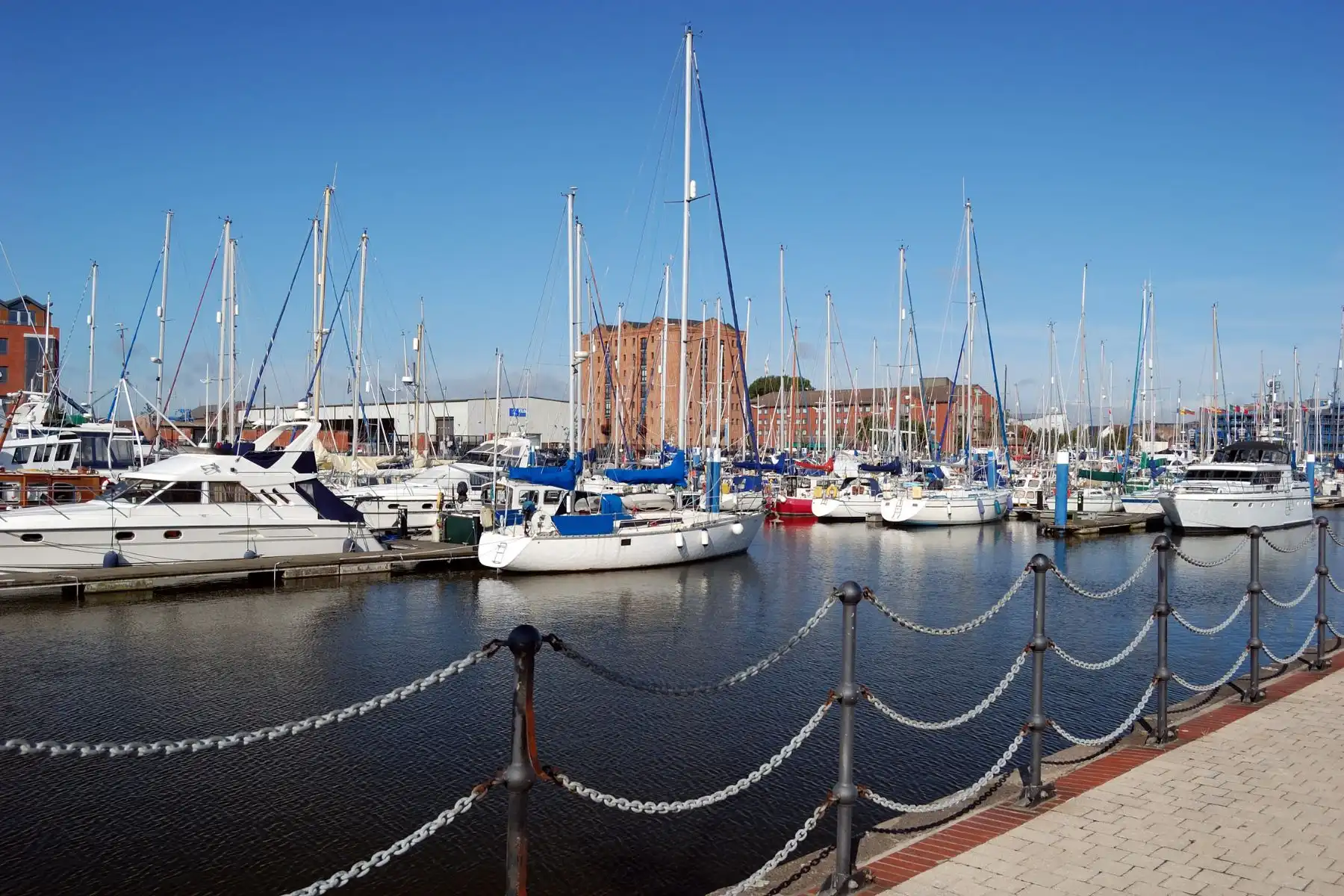
Hull’s status as a former UK City of Culture (2017) and its expanding events calendar have boosted the appeal of short-term lets. With attractions like Hull Marina,The Deep Aquarium, and cultural festivals, the city draws tourists year-round. Business travellers also contribute to demand due to activity in the energy and logistics sectors.
Properties located near the city centre, Old Town, and the Marina perform well on platforms like Airbnb, offering investors an opportunity to diversify their portfolio through high-yielding short stays.
Hull And Sports In The City
Hull is a city with a deep-rooted passion for sport, offering a vibrant scene that appeals to both residents and visitors alike. Football fans follow Hull City AFC, currently competing in the Championship, while rugby league holds a particularly special place in the city’s heart. Hull FC and Hull Kingston Rovers—two of the sport’s top-tier clubs—draw dedicated crowds to the MKM Stadium and Craven Park, creating an electric atmosphere on match days.
Beyond football and rugby, Hull also boasts a growing reputation for ice sports. The Hull Ice Arena, a popular destination for public skating and events, is home to both the Hull Seahawks and the historic Hull Stingrays ice hockey teams, adding another dynamic layer to the city’s sporting identity. This strong sporting culture fuels year-round tourism and consistently drives demand for short-term accommodation, especially around major fixtures—making Hull a compelling location for rental investors.
Hull Culture and Events
Hull’s cultural scene has flourished in recent years, gaining national recognition and becoming a vibrant hub for the arts. Since being named UK City of Culture in 2017, the city has made significant investments in its creative infrastructure, from public art installations to revitalised performance venues. Flagship events such as the Freedom Festival—an internationally renowned celebration of arts and culture—and Humber Street Sesh, which champions local music talent, have helped put Hull on the cultural map. Venues like Hull New Theatre and the Ferens Art Gallery continue to offer world-class performances and exhibitions throughout the year. This ongoing commitment to culture not only enriches the lives of residents but also enhances Hull’s appeal as a dynamic and inspiring place to live and invest.
Hull Connectivity and The Humber Bridge

Hull is well-connected, with its own Humber Bridge, and improvements to both regional and national transport links:
Road: The A63 links Hull directly to the M62, providing easy access to Leeds, Manchester, and beyond.
Rail: Hull Paragon Station offers regular services to London (around 2.5 hours), Leeds, and Sheffield.
Air: Humberside Airport is nearby, and Leeds Bradford and Doncaster Sheffield airports offer broader international access.
Ferries: Hull’s port connects to Europe via daily ferry services to Rotterdam, popular with tourists and business travellers.
These transport links make Hull a strategic location for commuting and logistics.
Hull’s Major Regeneration Projects
Hull has seen over £3 billion in public and private investment over the past decade. Key regeneration projects include:
Hull Marina and Fruit Market – This area, which has a history dating back to the 16th century, experienced a decline in the 20th century and is now undergoing regeneration. The Fruit Market development, recognised for its contribution to the rejuvenation of the waterfront neighbourhood, includes housing and other developments.
Albion Square Development – This £96 million scheme in Hull’s city centre is transforming a derelict site into a mixed-use development featuring homes, shops, offices, and an urban park. The project, which began in 2022, is expected to create 386 skilled jobs and has received additional funding from the government’s Levelling Up fund.
Western Docklands – A redevelopment plan for the Western Docklands area has been approved, with developments designed to consider climate change impacts.
A63 Castle Street Improvement Scheme – A £355m upgrade to improve road infrastructure and traffic flow.
These developments are revitalising the city, enhancing its appeal to both residents and investors.

Hull Lifestyle: Coastal Charm & City Vibrancy
Hull offers a unique balance of relaxed coastal charm and vibrant city life, making it an increasingly attractive place to live, work, and explore.
A growing food scene: Hull is home to a flourishing culinary culture. Humber Street has transformed into a trendy food and drink destination, boasting independent eateries, bars, and artisan cafés. Over on Princes Avenue, a cosmopolitan stretch of restaurants offers everything from street food to fine dining, catering to all tastes.
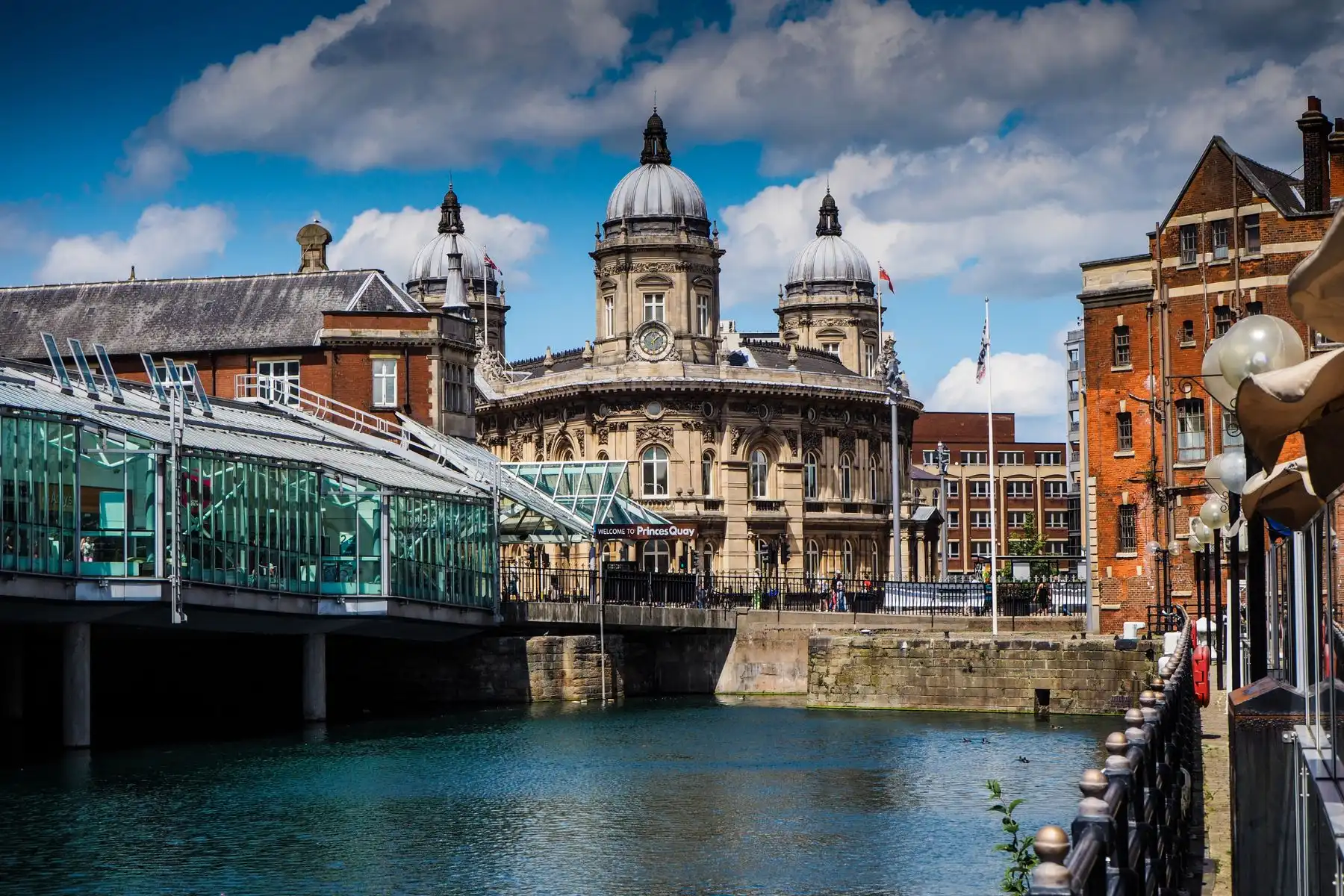
Excellent shopping: For retail therapy, Hull delivers a mix of high street staples and independent gems. St Stephen’s and Princes Quay shopping centres provide everything from fashion and lifestyle to tech and homeware. Local markets and boutique stores add character and variety, perfect for finding something a little different.
Access to nature: Just beyond the city lies some of East Yorkshire’s most stunning countryside. The Yorkshire Wolds offer rolling hills and picturesque villages, while the historic market town of Beverley and the nearby coastline provide easy escapes for weekend adventures. Whether you’re into hiking, cycling, or coastal walks, Hull puts the great outdoors within easy reach.
Affordable living: Hull remains one of the most affordable cities in the UK, offering excellent value for both renters and buyers. Combined with good schools, transport links, and a growing number of professional opportunities, it’s a practical and appealing choice for individuals and families alike.
Cultural vibrancy: With a proud maritime heritage and a reputation for creativity, Hull has become a hub for arts and culture. From the Ferens Art Gallery and Hull Truck Theatre to festivals, live music, and street art, the city continues to invest in its cultural renaissance, further building on its legacy as the UK City of Culture 2017.
With its combination of affordability, character, and lifestyle variety, Hull is fast becoming one of the UK’s most compelling places to call home.
Hull’s Positive Recognition and Awards
Hull has earned significant recognition in recent years, highlighting its growing appeal and strategic importance. The city’s designation as UK City of Culture in 2017 served as a major catalyst for regeneration, unlocking new investment and transforming its cultural and economic landscape. Hull has also been consistently ranked among the top 10 UK cities for buy-to-let investment, thanks to its strong rental yields and relatively low property prices. Additionally, the city has gained national acclaim for its leadership in the green energy sector, playing a pivotal role in the UK’s offshore wind industry and contributing to the country’s broader sustainability goals.
Hull, A City On The Rise, Ideal For Property Investment
Hull is a city on the rise. With its affordable property market, strong rental yields, and ambitious regeneration plans, it offers an excellent opportunity for property investors. As the city continues to evolve — driven by culture, green energy, and innovation — now is the time to invest in Hull’s bright future.
Interested in investing in Hull? Contact our experts today to explore the latest investment opportunities.
Investment Opportunities In Hull
Explore investment opportunities or enquire about our property sourcing and exclusive upcoming developments in Hull and the surrounding East Riding of Yorkshire area.