Off-Plan vs Existing Build: Which Property Investment is Right for You?
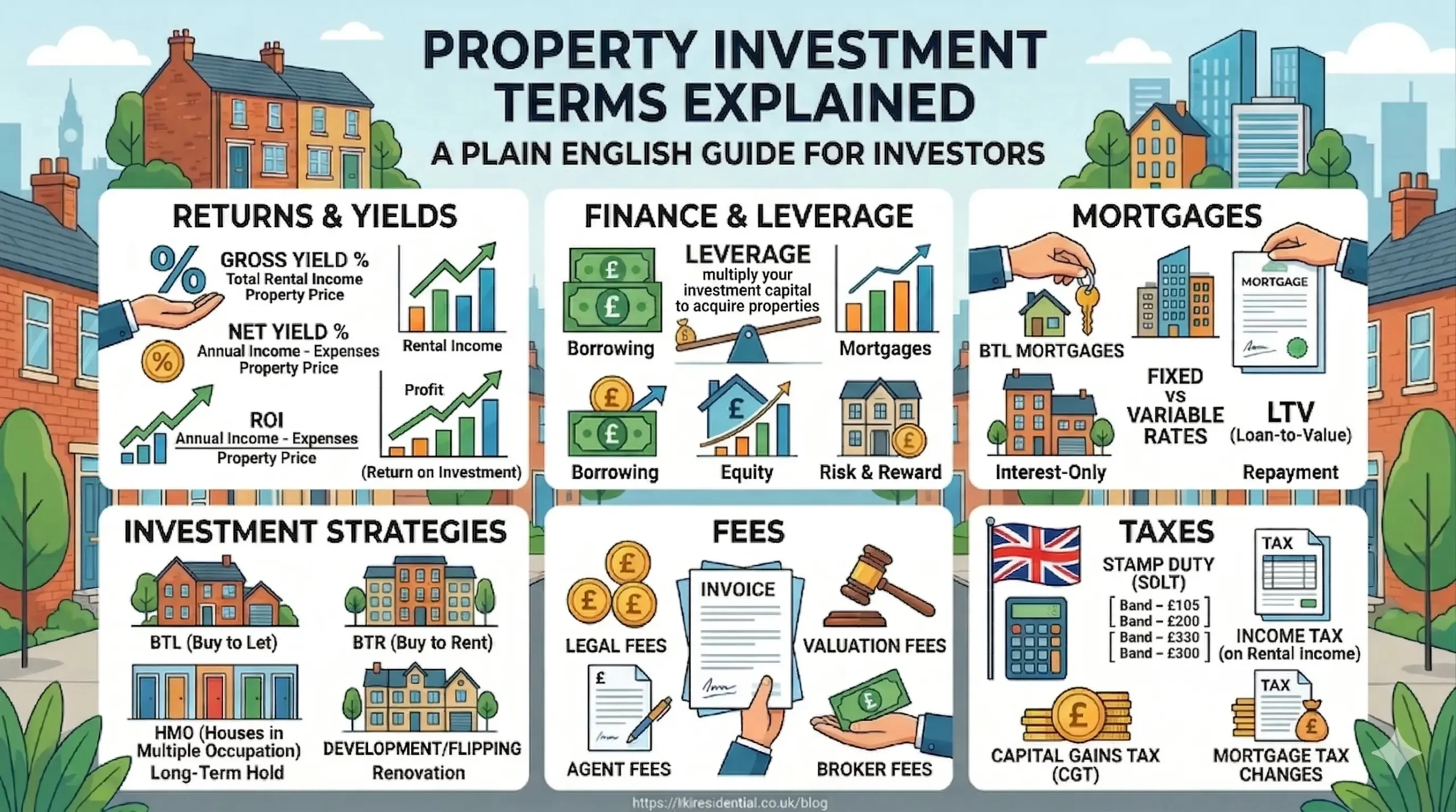
Investing in property has long been one of the most popular ways to grow wealth and generate income. If you’re considering UK property investment, one of the first decisions you’ll face is whether to buy off-plan or invest in an existing build. Both have their advantages and disadvantages, and the right choice depends on your financial goals, risk tolerance, and investment timeline.
This guide explores the differences between buying property off-plan and purchasing an existing property—helping you make an informed, confident decision.
What is Off-Plan Property Investment?
Off-plan property refers to a home or apartment purchased before it’s completed—often even before construction begins. Buyers typically commit based on floor plans, architectural drawings, and computer-generated images (CGIs). It’s a popular choice for overseas investors looking to secure UK property at below-market prices, with the potential for substantial future returns.
What Are The Advantages of Off-Plan Property Investment?
Investing in off-plan property in the UK offers a number of benefits, especially for international buyers and those looking for long-term capital growth:
Capital Growth Potential – You would buy at today’s prices and benefit from potential appreciation by the time construction completes, as it is highly likely the value will have significantly increased, especially in up-and-coming areas.
Modern Specification / Energy Efficiency – New builds meet the latest design, layouts, safety, and energy standards. This also makes them more attractive to tenants and future buyers, increasing both rentability and saleability when the time comes to exit your investment. High energy efficiency is especially beneficial if you plan to offer the property as a bills-included rental or operate it as a short-term let (e.g. Airbnb), helping to maximise margins and appeal to cost-conscious guests.
Customisation Opportunity – Often buyers can choose finishes, layouts, and extras before construction is finalised.
Developer Incentives – Early-bird investors can often access discounts, rental guarantees, or furniture packs. Many developers also offer flexible payment plans, enabling investors to spread the cost over the construction period. This makes off-plan particularly appealing for those with steady income streams who prefer to invest gradually, rather than committing a large lump sum all at once.
Low Initial Investment – Typically, only a 10–30% deposit is required upfront, with the balance due at completion. This gives investors valuable time to save further funds, plan their finances, or strengthen their position for a mortgage application, making it an ideal option for those looking to secure a property now while preparing for the full purchase later.
Warranties Included – Most off-plan properties come with 10-year structural warranties and appliance guarantees. This reduces potential maintenance costs and provides peace of mind, especially for hands-off or overseas investors.
No Chain – Avoid the complications of buying a resale home with multiple parties involved. This makes the buying process more straightforward and predictable, reducing stress and the risk of deals falling through.

Disadvantages of Off-Plan Property Investment
While buying UK property off-plan can be rewarding, it’s important to consider the risks:
Delayed Returns – No rental income until completion, which could take 12–36 months.
Market Risk – While the property’s value is likely to grow during construction, there’s always a risk of market downturns affecting your returns.
Potential Construction Delays – Timelines can shift due to planning, labour, or material issues, leading to delays in completion.
Developer Risk – If a developer encounters financial issues, the project could face significant delays or, in some cases, be cancelled entirely. This makes it essential for investors to do their due diligence: check whether deposits are protected or used to fund the build, and research the developer’s reputation, past performance, and financial stability before committing.
Change of Circumstances – Whilst delaying the financing can be an advantage to a lot of investors, there is also a risk that your circumstances may change whilst you wait for the project to be delivered, thus rendering you unable to fund the purchase. As you will already be legally tied into the purchase, failure to complete will result in loss of the deposit.
No Physical Viewings – While developers often provide detailed CGI renderings, floor plans, written specifications, and in some cases, a show apartment to give a sense of the final product, investors usually won’t be able to view the actual property before committing to the purchase. This means that buyers are placing trust in the developer’s representations of the property, as the building is not yet constructed.
Who Should Consider Off-Plan Property Investments?
Off-plan properties are ideal for growth-focused investors who are willing to wait for potential long-term gains. If you’re investing in a high-growth area, the initial discount and appreciation during construction could yield significant returns. It is worth considering the risks and conducting thorough due diligence before investing.
What is an Existing Build?
An existing build is a property that’s already complete—either a newly built home or a resale property. Investors can physically inspect it, potentially inherit sitting tenants, and start earning income immediately after purchase. It’s a more traditional approach to property investment in the UK.
Advantages of Investing In Existing Builds
Investing in an existing property offers several benefits:
Immediate Rental Income – As the property is built and sometimes even tenanted, investors start generating yield straight away once the sale completes. This is ideal for investors looking for instant cash flow or to begin recouping their investment without delay.
Tangible Asset – You can physically view, inspect, and assess the property and location. This gives confidence in the quality and condition of the asset, helping make informed decisions with fewer surprises.
Lower Risk Profile – No reliance on construction timelines or developer performance. This makes it a safer option for cautious investors or those looking to reduce uncertainty and avoid build-related delays. Additionally, as the property is already established and often in a mature market, its value is more certain and less susceptible to fluctuations during the construction phase.
Easier to Finance – Mortgage lenders are often more comfortable with completed properties. This can speed up the financing process and improve access to a wider range of products or more competitive rates.
Disadvantages of Investing in Existing Build Properties
Despite its familiarity, existing property investment also comes with downsides:
Higher Upfront Costs – Unlike off-plan purchases where costs are staggered, buying an existing property typically requires immediate access to the full purchase funds—either in cash or via mortgage. You’ll also be competing on the open market, often with multiple interested buyers for the same property, which can lead to bidding wars. As a result, you may end up paying a premium or more than you would for a comparable off-plan unit.
Maintenance Costs – Existing properties often require more ongoing maintenance due to age and wear, and unlike new builds, they typically don’t come with warranties. This means any repair costs fall directly on the landlord, which can eat into profit margins. It also tends to be a more hands-on investment, as landlords may find themselves dealing with maintenance issues and tenant callouts more frequently than they would with a newly built property.
Less Energy Efficient – It is less likely that the property will have the most energy-efficient or modern specifications. This may deter tenants from renting your unit. Also, if you intend to let the property with bills included or for short-term lets (holiday letting), this may mean your monthly energy costs are higher.
Limited Capital Growth – While existing properties can still appreciate in value over time, they’re often located in more mature, established markets where significant short-term growth is less likely. As a result, the potential for capital appreciation tends to be more moderate and gradual compared to off-plan opportunities in up-and-coming areas.
Property Chains – As you will likely be buying from an individual or family, their personal circumstances can impact the pricing, speed of transaction and overall likelihood of completion. The owners may be required to buy another property to move into, which can come with lengthy chains of transactions tied together, resulting in less flexibility in timescales and the price they can accept.
Who Should Consider Investing In Existing Builds?
If you’re an investor looking for immediate income, existing properties are a reliable choice. They’re ideal for those who prioritise cash flow over long-term capital growth. Be aware you are competing with the open market, so you may be less likely to bag a bargain.
Off-Plan Property vs Existing Build Investments: At a Glance
| FACTORS | OFF-PLAN PROPERTY | EXISTING BUILD PROPERTY |
|---|---|---|
| Initial Investment | Lower upfront investment – staged payments | Higher initial investment – full funds or mortgage required upfront |
| Rental Income | Yes – during the build phase | Immediate |
| Capital Growth | High potential, especially during construction | Moderate and slower |
| Maintenance | Low during early years – usually has warranties | Often higher and more frequent |
| Risk | Yes – duringthe build phase | Lower risk – asset is already complete |
| Customisation | Delayed – begins post-completion | No |
How to Choose the Right Option for You
Both off-plan and existing builds have their unique advantages and challenges. Your choice of properties should align with your investment goals:
Growth-Focused Investors: Off-plan properties in up-and-coming areas can offer higher returns over time.
Income-Focused Investors: Existing builds offer a reliable and immediate cash flow, making them a safer choice for income generation.
Additionally, consider factors like your risk tolerance, available funds, and the current market conditions in your target area.
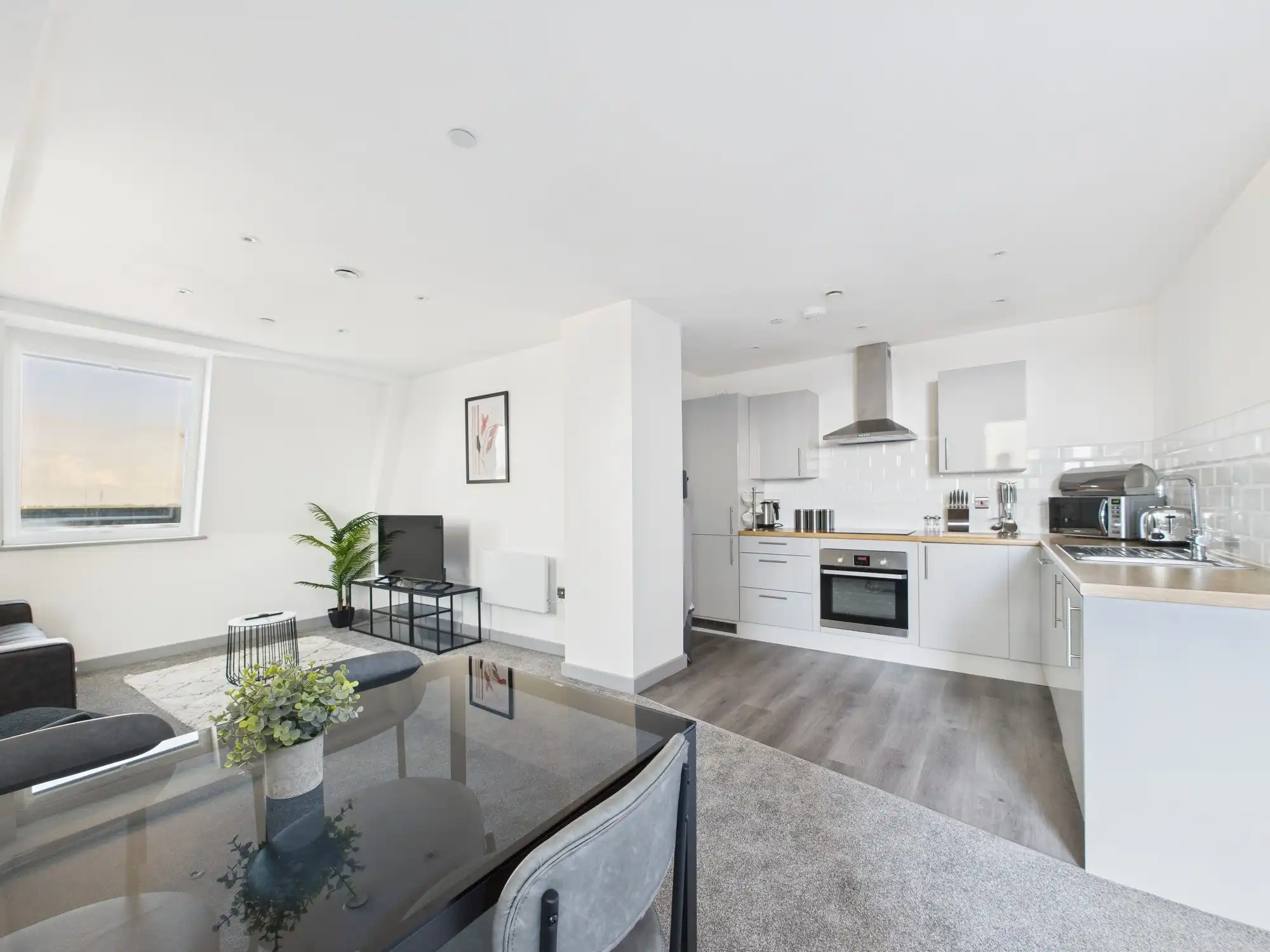
Explore Our Existing Build Opportunities

Explore Our New Development Opportunities
Still deciding? We’re here to help
Speak to a specialist today — call 0113 322 4345 or enquire online for personalised investment advice and exclusive opportunities in UK property. Or explore our current completed existing build opportunities and our off-plan developments ready for immediate investment.